

Epoxy Pipe Lining vs Repiping

When aging or failing sewer and drain pipes begin to cause leaks, unpleasant odors, pest problems, and recurring problems that cannot be corrected by other means, property owners face a critical repair decision: Epoxy pipe lining vs. repiping.
Both repair options can deliver long-term reliability, but they differ significantly in terms of cost, disruption, timeline, and suitability, depending on the condition and use of your building.
At Pipe Restoration Solutions (PRS), we specialize in helping homeowners and property mangers make the right choice for their specific needs, so they can count on their property’s sewage and drain lines for years to come.
Quick Overview: Comparing Epoxy Pipe Lining vs Repiping
Epoxy Pipe Lining (AKA CIPP, Cured-In-Place Pipe)
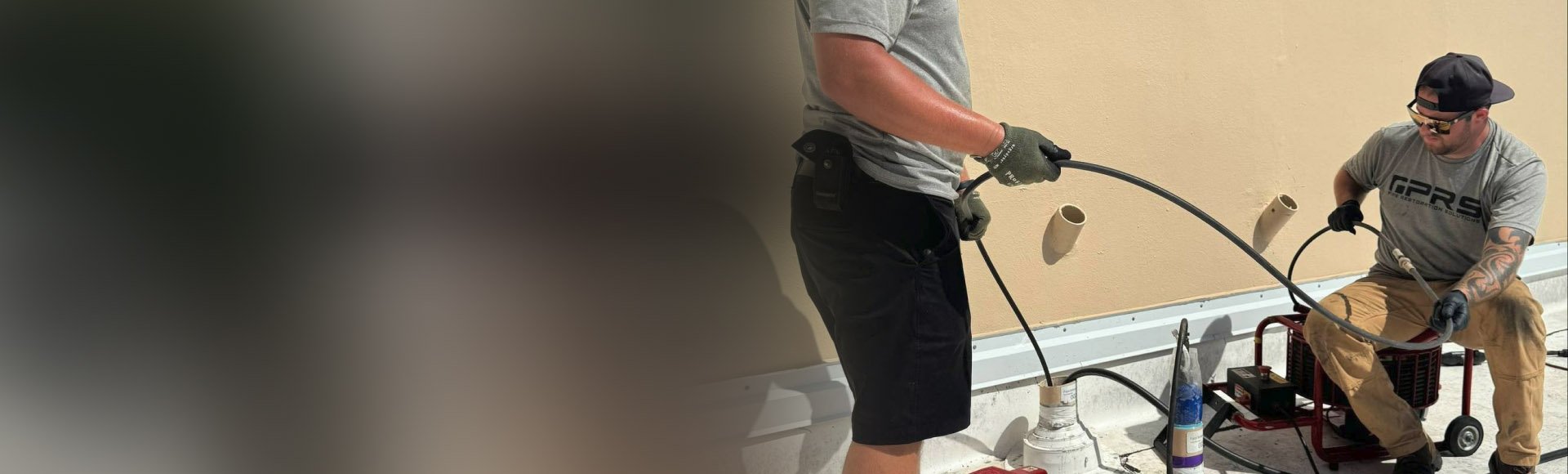
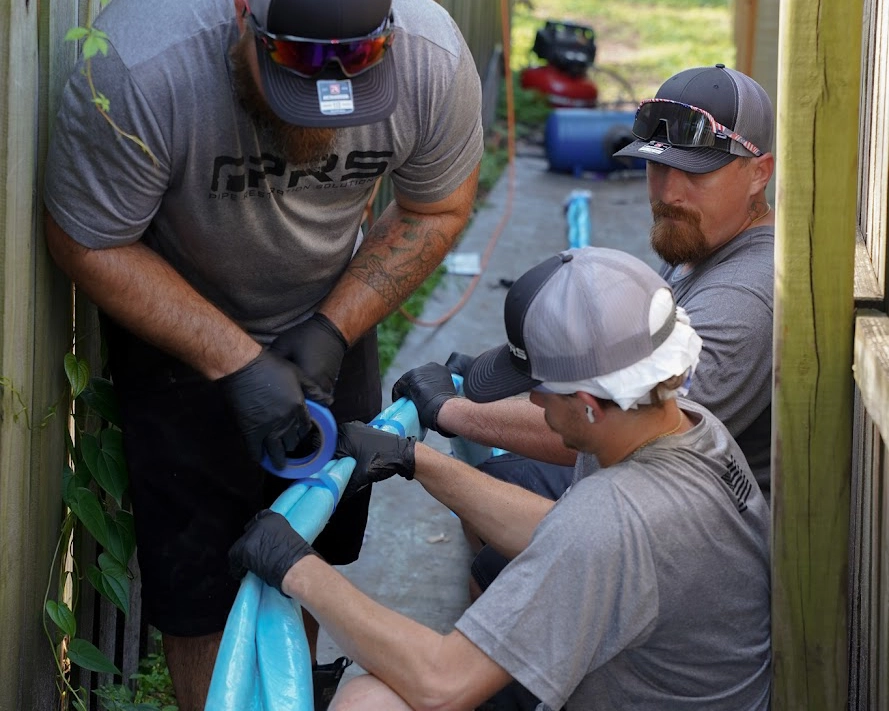
A trenchless restoration method where an epoxy-saturated felt liner is pulled into place using existing access points. A rubber bladder is then inflated, pressing the liner securely against the pipe wall. Within just a few hours, the epoxy cures and hardens. The bladder is removed, leaving behind a smooth, seamless “new” pipe inside the old one.
Traditional Repiping
The complete removal and replacement of old pipes with new materials. Repiping involves a significant amount of labor, often requiring excavation of the wall, slab, or yard for access.
Learn more about trenchless vs traditional sewer pipe repair.
| Epoxy Pipe Lining | Traditional Repiping | |
| Installation Method | Trenchless CIPP, access through cleanouts, roof vents, or toilets | Full excavation through walls, floors, landscape, or slabs |
| Timeline | 1–3 days for residential homes | 2–3 weeks (or longer for larger projects) |
| Property Disruption | Utilizes existing access points; often requires no demolition | Major demolition; walls, floors, landscaping removed |
| Occupancy | Building stays occupied | Often requires partial or full vacancy |
| Pipe Lifespan | 50+ years | 50+ years |
| Corrosion Resistance | Epoxy liners prevent future corrosion and root intrusion | PVC pipes do not corrode and prevent root intrusion |
| Warranty | Up to 50-year manufacturer-backed warranties | Typically 10–25 years, depending on the material |
| Materials | NSF-certified, corrosion-resistant epoxy liners | PVC |
| Environmental Impact | Minimal waste; existing pipes reused | Old pipes are removed and sent to the landfill |
| Permits Required | Permit requirements vary by jurisdiction. All required permits are obtained in accordance with applicable local regulations | Extensive permits and inspections |
| Project Cost | Often lower overall due to faster turnaround, less downtime, and minimal property damage | Higher labor and restoration costs |
| Risk of Structural Damage | Very low | Higher risk due to demolition |
| Access Requirements | Ideal for limited or hard-to-reach piping | Requires full physical access to pipes |
Long-Term Performance of Epoxy Pipe Lining vs Repiping
Both epoxy lining and repiping can last more than 50 years. The key difference lies in how they age.
- Epoxy pipe lining creates a seamless, corrosion-resistant, joint-free barrier
- Repiping, especially with metal, reintroduces joints and materials that may eventually corrode or degrade again. This limitation does not apply when PVC piping is utilized.
For buildings where corrosion is the primary issue, epoxy often provides superior long-term stability.
Which Option Is Right for You?
Choose Epoxy Pipe Lining When:
- The building is occupied, and minimizing downtime is a priority
- Pipes are structurally intact but corroded or leaking
- Access is limited (high-rises, slabs, historic buildings)
- You want minimal disruption and faster completion
- Environmental impact is a concern
Choose Repiping When:
- Pipes are collapsed, severely misaligned, or missing sections
- You are already planning a full gut renovation
- Pipe diameter changes or rerouting is required
- Local codes mandate full replacement
Four Real-World Scenarios & Recommendations
1. Occupied High-Rise Apartment Building
Problem: Pinhole leaks in aging cast iron sewer pipes
Recommendation: Epoxy pipe lining
Why: Tenants remained in place, no wall demolition, project completed in a fraction of the time compared to traditional replacement
Outcome: 50-year service life, zero tenant displacement
2. Historic Hotel with Limited Access
Problem: Slow shower drains in guest rooms due to cast iron corrosion
Recommendation: Epoxy pipe lining
Why: Preserved historic finishes and avoided invasive construction
Outcome: Pipes restored without shutting down operations
3. Single-Family Home Undergoing Full Remodel
Problem: Old cast iron pipes and planned layout changes
Recommendation: Repiping
Why: Walls already open; rerouting needed
Outcome: New plumbing layout installed efficiently during renovation
4. Commercial Warehouse with Collapsed Sewer Line
Problem: Structural sewer pipe failure under the slab
Recommendation: Camera inspection to assess the extent of damage
Why: Collapse may make lining impossible in certain areas
Outcome: Hybrid solution; repiping the collapsed area, epoxy lining the rest
Cost Considerations for Epoxy Pipe Lining vs Repiping
While repiping may seem straightforward, hidden costs, like the following, can add up:
- Drywall repair
- Flooring replacement
- Landscaping restoration
- Extended downtime or lost revenue
Epoxy lining consolidates costs into a single, predictable scope, often making it the more economical option overall compared to traditional pipe replacement.
Final Verdict: Epoxy Pipe Lining vs Repiping
Both solutions can deliver decades of performance, but the real difference lies in the level of disruption, speed, environmental impact, and suitability for occupied buildings. Epoxy lining excels when preservation and efficiency matter, while repiping is often necessary for extensive pipe damage or major redesigns.
At Pipe Restoration Solutions, we conduct a thorough camera inspection of your pipes, then balance our findings with your building’s use and long-term goals. We’ll use these details to recommend the best solution based on our decades of experience.
Schedule an Assessment; We’ll Recommend the Best Option Honestly
Still deciding between epoxy pipe lining vs repiping?
Schedule an assessment with PRS today
Our experts will inspect your system and provide a transparent recommendation tailored to your property. No pressure, just professional guidance.
Related Posts

5 Key Factors to Consider When Selecting a Pipe Restoration Service
Evaluating the Provider’s Reputation and Credentials Choosing the right pipe restoration service is an important…

Comprehensive Guide to the Dangers of Corrosion in Cast Iron Pipes
As a property manager responsible for the upkeep of condo buildings or homeowners association (HOA)…