

Cast Iron Pipe Lining Cost: What Property Owners Should Know

If you own a property with aging cast iron sewer and drain pipes, there’s a good chance they may need replacing. Maybe you’ve noticed slow drains, recurring backups, or a plumber mentioned something about deteriorating pipes. So, what are your options? And more importantly, what will it cost?
Rather than excavating and replacing existing drain lines, epoxy pipe lining for cast iron pipes offers a modern solution to an age-old problem, often at a more affordable price point. Let’s break down what affects cast iron pipe lining cost and help you make an informed decision for your property.
What Does Cast Iron Pipe Lining Cost?
Cast iron pipe lining cost varies significantly, so it’s impossible to give an accurate estimate without knowing the scope of your project. Below, we’ve included typical price ranges, but the only way to get an accurate idea is to call a pipe lining expert and request a quote.
Typical Price Ranges for Epoxy Pipe Lining
Cast iron pipe lining generally falls within these broad ranges:
Per linear foot: Most residential pipe lining projects cost somewhere between $140 and $250 per linear foot, depending on pipe diameter, condition, and access.
Total project costs: For a typical residential property, complete pipe lining projects often range from $5,000 to $20,000 or more. The final number depends on how much pipe needs restoration and the complexity of your specific situation.
Keep in mind: These ranges are intentionally broad because every property presents unique circumstances. Your actual cost might fall on the lower end if conditions are favorable, or higher if significant challenges exist. The only way to know your specific investment is through professional inspection and assessment.
Why Cast Iron Pipe Lining Cost Varies So Much Between Properties
$140 to $250 per linear foot is a broad range, so what determines the cast iron pipe lining cost for a specific project? These factors play a role in whether a property is on the lower or higher side of the scale.
Pipe Length and Diameter
The most straightforward cost driver is how much pipe needs lining. A 30-foot section requires less material, labor, and time than 100 feet of pipe. This is why reputable contractors price epoxy pipe lining per linear foot; it’s the most transparent way to account for different project sizes.
Pipe diameter also plays a significant role. Smaller residential pipes (2-4 inches) require less epoxy material and can often be lined more efficiently than larger commercial pipes (6-8 inches or more). The liner must fully conform to the interior walls of the host pipe. Larger diameter pipes generally require more material, labor, and installation time than smaller residential drain lines.
Your Property’s Specific Conditions Matter
Every property presents different access conditions, pipe deterioration levels, and restoration challenges, and those details directly impact your cast iron pipe lining cost:
| Property Factor | Lower Cost Scenario | Higher Cost Scenario |
| Pipe Condition | Moderate corrosion, structurally sound | Heavy scale, root damage, partial collapses |
| Access Points | Existing cleanouts in accessible locations | Pipes under slabs, new access points needed |
| Preparation Needed | Standard cleaning sufficient | Extensive descaling, root removal required |
| Branch Connections | Few connections to reopen | Multiple bathrooms, complex drainage layout |
| Site Complexity | Single-story, straightforward layout | Multi-story, difficult working conditions |
| Local Factors | Standard permits, no special requirements | Complex permits, utility coordination needed |
Pipes with convenient cleanouts or accessible entry points streamline the process. But if your cast iron pipes run under concrete slabs, through tight crawl spaces, or beneath driveways, technicians need more time and potentially additional access points.
Your location also plays a role in the cast iron pipe lining cost. Labor rates, permit requirements, and local regulations vary considerably across different regions and municipalities. A project in a major metropolitan area typically costs more than the same work in a smaller city.
Cast Iron Pipe Lining Cost Compared to Traditional Replacement
Many property owners find themselves with two main options when it comes to failing cast iron pipes. They can either reline their existing pipes, or dig out the old pipes and replace them with new ones. So, how do those two methods compare when it comes to cost?
Understanding Replacement Costs
Traditional dig-and-replace approaches typically range from $100 to $300 per linear foot, or even higher when complications arise. For many properties, complete sewer line replacement projects run $15,000 to $40,000 or more. Initially, the cost of pipe lining and replacement may seem similar, but there are additional costs associated with pipe replacement that property owners need to factor in.
The Hidden Costs of Excavation
When contractors excavate your property, you’re also paying for:
- Demolition costs: Pipe replacement often means breaking through concrete slabs, basement floors, or foundation walls to access buried pipes. Depending on the extent of demolition needed, this alone can add $3,500 to $7,500 to your project.
- Restoration expenses: After pipes are replaced, someone needs to restore your property. This includes replacing flooring, patching concrete, resodding lawns, replanting landscaping, and repairing driveways or walkways. Restoration costs can easily add $2,000 to $8,000 or more.
- Extended labor: Traditional replacement takes significantly longer; often one to three weeks instead of one to three days. More time on site means higher labor costs.
- Lost property use: Can you stay in your home or keep your business operating during extensive excavation? Many property owners face temporary relocation costs or business interruption losses that don’t show up on the plumbing estimate.
- Unexpected discoveries: Once digging begins, contractors may encounter complications like other utility lines, unstable soil, or structural issues that weren’t visible beforehand. These surprises add both time and money to the project.
These additional costs can easily double your initial estimate. With epoxy pipe lining, most of these expenses are avoided because the work happens inside your existing pipes using trenchless technology.
Comparing Total Project Investment
When you factor in all costs, not just the plumbing line item, trenchless pipe lining often costs 20 to 40% less than dig-and-replace for comparable projects. Beyond the immediate cost savings, consider the long-term value. High-quality epoxy lining systems are engineered to last 50 years or more, effectively restoring the structural integrity and flow of the existing pipe without the added restoration costs associated with excavation.
Get Accurate Pricing for Your Specific Property
While understanding general cost ranges helps you budget, the only way to know your actual cast iron pipe lining cost is through a professional assessment of your unique situation.
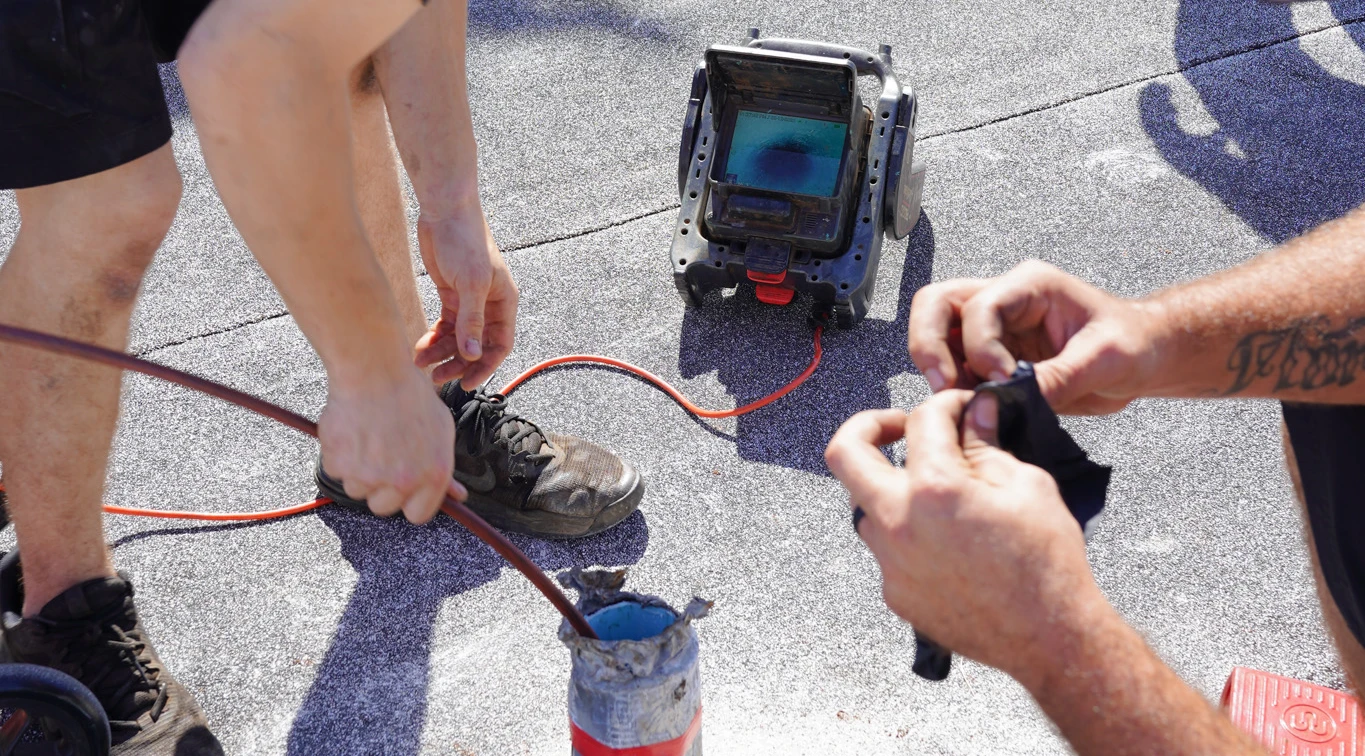
Contact Pipe Restoration Solutions today for a thorough camera inspection and transparent assessment. Our team will show you exactly what’s happening inside your pipes, explain your options clearly, and provide accurate pricing for your specific project, with no pressure and no hidden surprises.
Related Posts
Epoxy Pipe Lining vs Repiping
When aging or failing sewer and drain pipes begin to cause leaks, unpleasant odors, pest…
Small Diameter Pipe Lining
When a sewer or waste line fails in a condo, apartment building, hotel, or commercial…