
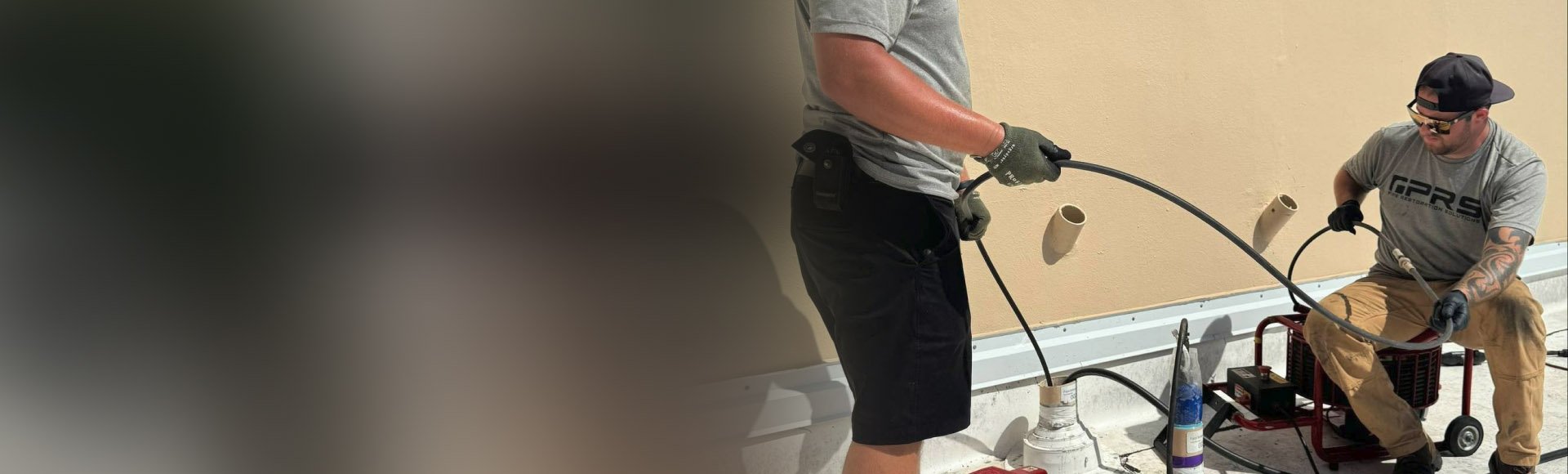

Why Does My Business Smell Like Sewage?


If you’ve been asking yourself, “Why does my business smell like sewage?”, you’re facing more than just an unpleasant odor. It’s a serious disruption to operations, employee comfort, and customer experience.
Commercial sewer odors often signal cracked pipes, vent failures, or buildup in your drainage system that require immediate professional attention. Ignoring the problem can lead to costly downtime and disruptive repairs, and every day of delay may increase your risk.
In this guide, we’ll explain the most common causes of sewage odors and how Pipe Restoration Solutions (PRS) delivers long-term fixes.
Why Does My Business Smell Like Sewage? Common Causes
| Cause | How It Creates Sewer Odors | Typical Warning Signs | Severity Level | Notes for Business Owners |
|---|---|---|---|---|
| Broken or Cracked Sewer Lines | Sewer gases escape through pipe fractures underground or beneath slabs | Persistent odor in certain rooms or near drains; slow drains; occasional gurgling | High | Usually hidden and often requires camera inspection; common in older or high-traffic buildings |
| Dry or Damaged P-Traps | The trap loses its water barrier, allowing gases to travel upward | Smell strongest near infrequently used drains or storage-area floor drains | Medium | Easy to overlook in commercial settings with many fixtures or drains |
| Vent Stack Blockage/Failure | The venting system cannot release gases outside, pushing them into occupied areas | Odors worsen during heavy water use or weather changes; toilets bubble | High | Multi-story buildings experience this more due to complex vent routing |
| Grease/Waste/Organic Buildup | Deposits decay inside pipes, creating strong odors and biofilm | Slow drains, periodic odor spikes, and backups in sinks or floor drains | Medium–High | Common in restaurants, medical facilities, and food-processing businesses |
| Loose Pipe Connections or Faulty Cleanouts | Gases escape from poorly sealed joints or access points | Odor near mechanical rooms, janitor closets, or behind walls | Medium | Often found in buildings with previous retrofits or aging infrastructure |
| System Overload or Backups | Pressure forces gases backward into the building | Smell increases after storms, peak usage times, or neighboring backups | High | May indicate municipal sewer issues interacting with your system |
| Structural/Foundation Shifts | Pipe misalignment or separation allows gas to leak from underground | Odors near slab-level rooms, uneven floors, and drainage inconsistencies | High | Heavy equipment, soil movement, and vibration increase risk |
Broken or Cracked Sewer Lines
When commercial sewer lines crack, the problem typically starts long before the odor reaches human noses. In many cases, the soil beneath your building begins absorbing wastewater or gases, slowly destabilizing the area around the pipe.
Over time, this can lead to slab shifting, increased hydrostatic pressure, or even pest intrusion. Rats and insects are attracted to sewer line openings, often worsening conditions in the building.
Cracked lines also accelerate corrosion in nearby pipe sections. If one area is compromised, surrounding sections may be close behind. That’s why early detection is essential and why PRS prioritizes comprehensive camera inspections to understand the condition of the entire system rather than relying on spot repairs.
Dry or Damaged P-Traps
Commercial properties tend to have dozens (sometimes hundreds) of drains that aren’t used daily. These drains are often located in janitorial rooms, emergency wash stations, mop sinks, prep areas, dock drains, or seasonal facilities.
HVAC airflow, high heat, and ventilation systems can also speed evaporation, especially in large warehouses or kitchens. Commercial properties tend to have dozens (sometimes hundreds) of drains that aren’t used daily, which often leads to their P-traps drying up.
However, dry traps can also indicate a more severe ventilation imbalance. If negative air pressure develops inside the building, often caused by powerful HVAC systems, it can actually siphon water out of traps even when they’re used regularly. That’s why PRS looks at environmental conditions and airflow during odor diagnostics, not just plumbing components.
Vent Stack Failures
Vent stacks are the “lungs” of your plumbing system, allowing air to balance inside drainage lines. In multi-story or multi-tenant buildings, vents must serve numerous fixtures without bottlenecks. Even a single obstruction (ice, debris, animal nests, or collapsed internal piping) can cause odor backflow across multiple floors.
Modern buildings with energy-efficient envelopes also create tighter internal air pressure differences, which can push sewer gases indoors if vents aren’t performing correctly. PRS can sometimes use smoke testing to locate hidden vent failures that other contractors miss.
Grease, Waste, or Organic Buildup
When fats, oils, and proteins in your pipes break down, they release sulfur-based compounds that produce the classic “rotten egg” sewer smell. In medical or industrial facilities, chemical effluent can interact with organic waste, accelerating corrosion and creating porous pipe surfaces that trap odor-producing films.
Traditional snaking only clears blockages temporarily. PRS begins with a camera inspection to evaluate pipe condition and identify the source of buildup. When appropriate, hydrojetting is then used to thoroughly remove grease, waste, and biofilm from the pipe walls. This approach ensures deposits are fully cleared and helps prevent underlying issues from being overlooked or masked by surface buildup.
Loose Pipe Connections or Faulty Cleanouts
A single poorly sealed joint can emit enough gas to fill a retail space or office. The problem often begins after renovations, such as installing new flooring, walls, or relocating fixtures, which can stress existing pipes or shift access points out of alignment. Cleanouts hidden inside walls or behind equipment may continue to deteriorate unnoticed for years.
Because these leaks create intermittent, pressurized “bursts” of sewer gas rather than a constant release, the smell may appear only at certain times of day or under specific conditions. PRS uses smoke testing to locate micro-leaks and compromised connections that the nose alone cannot pinpoint.
System Overloads or Backups
Commercial buildings often connect to shared municipal sewer systems that may become overloaded during storms or periods of heavy citywide usage. When this occurs, pressure within the system can force sewer gases back toward the building, especially if backflow prevention devices or venting systems aren’t functioning correctly.
While municipal infrastructure is outside of a building owner’s control, PRS evaluates the private sewer system and connection point to determine whether external surcharge conditions are contributing to odor or backup issues. Based on our findings, we recommend appropriate mitigation strategies to protect the building’s internal plumbing system.
Structural or Foundation Shifts
Commercial buildings are exposed to constant vibrations from machinery, foot traffic, heavy vehicles, and environmental changes. While significant structural movement is uncommon, even minor shifts can place stress on underground piping. When this occurs, issues are most often found at fittings, where joints are more vulnerable than straight pipe. These separations can allow liquids and sewer gases to escape and may worsen over time.
One early warning sign is uneven drainage across multiple fixtures. While this does not always indicate a full blockage, it can signal a compromised connection or offset joint. PRS uses camera inspections to identify joint separation or misalignment. In cases where misalignment is present, lining alone may not be appropriate, and alternative repair methods may be recommended to properly restore alignment and system integrity.
Why Sewer Odors Are a Business Emergency
A sewer smell is a direct threat to your revenue, compliance standing, and brand reputation.
Health & Safety Risks
Sewer gases contain hydrogen sulfide, methane, and ammonia. These can cause headaches, respiratory irritation, nausea, or, at high levels, serious health problems.
Customer Perception
Customers won’t return to a business that smells like sewage. Restaurants and retail stores experience immediate losses, and office tenants may file complaints or demand rent credits.
Potential Code Violations
If inspectors detect sewer odors or drainage issues, your business could face penalties, forced shutdowns, or remediation orders.
Problems Tend to Escalate Over Time
Drainage failures don’t stay stable. What may begin as an intermittent smell or slow drain can often progress into more serious issues, including:
- Recurring drain backups
- Sludge or wastewater overflow
- Damage to surrounding building materials
- Major pipe collapse in advanced cases
The earlier you address the cause, the lower the repair cost and disruption will be.
Why These Problems Aren’t DIY Fixable
Some business owners attempt short-term fixes such as pouring chemicals down drains, refilling traps, or sealing vents themselves. While these steps may temporarily reduce odor, they often mask the underlying issue or cause new problems within the system..
Commercial sewer systems are complex and interconnected. Proper diagnosis typically requires:
- Video inspections of underground piping
- Evaluation of pipe condition and connections
- Pressure/ventilation assessment
- Identification of system defects that are not visible at the surface
No amount of deodorizing or surface level repair can fix a damaged sewer line, failed joint, offset connection, or venting defect.
How PRS Diagnoses the Real Cause
At Pipe Restoration Solutions, we focus on identifying and addressing the root cause of sewer odor issues, not just the symptoms.
Our comprehensive commercial diagnostic process may include:
- High-resolution sewer camera inspections
- Hydrostatic pressure testing
- Smoke testing for sewer gas leaks
- Venting and airflow evaluation
- Pipe material and condition assessments
- Identification of root intrusion, corrosion, or joint failure
This approach allows us to accurately pinpoint the exact cause of your sewer odor and recommend the most cost-effective, long-term solution based on the actual condition of the system.
The Long-Term Solution: CIPP Pipe Relining
Once you understand the answer to “why does my business smell like sewage?”, the next step is stopping the problem at its source. In many commercial systems, sewer odors are caused by deteriorated or leaking drain lines, and when pipe conditions allow, CIPP (Cured-In-Place Pipe) relining is PRS’s preferred long-term solution.
CIPP restores the interior of existing sewer lines by creating a seamless, corrosion-resistant pipe within the original pipe, eliminating common pathways for sewer gas without excavation.
Why CIPP Is the Best Solution for Commercial Buildings
- No excavation required: No ripping up floors, parking lots, landscaping, or sidewalks
- Minimal business interruption: In most cases, your building can remain open
- Stronger than the original pipe: Creates a seamless, corrosion-resistant pipe-within-a-pipe
- Odor elimination: Seals cracks, breaks, root intrusions, and leaks that allow sewer gas to escape
- Faster and more cost-effective than full replacement
- Extends pipe service life 50+ years
For many business owners, CIPP is the ultimate solution because it eliminates sewer odors while avoiding major disruption to operations.
Stop Asking “Why Does My Business Smell Like Sewage?”
Get It Solved with PRS.
Sewer smells are often an early warning sign of deeper plumbing or infrastructure issues. If left unaddressed, these problems can cost your business thousands in downtime, repairs, and lost customers..
PRS specializes in identifying the cause of sewer odor issues and recommending the most efficient solution tailored to your system and its condition. From advanced inspections to industry-leading CIPP relining, we deliver effective, long-term plumbing solutions your business needs.
Don’t keep asking yourself, “Why does my business smell like sewage?” Get clear answers and a professional solution with PRS.
Related Posts
Best Sewer Cleaning Companies in Newport Beach CA
Many properties in Southern California have aging sewer infrastructure, which is why regular maintenance is…
The Best Sewer Cleaning Companies in Fullerton, CA
Fullerton is one of Orange County’s oldest cities, and many homes and commercial buildings in…